

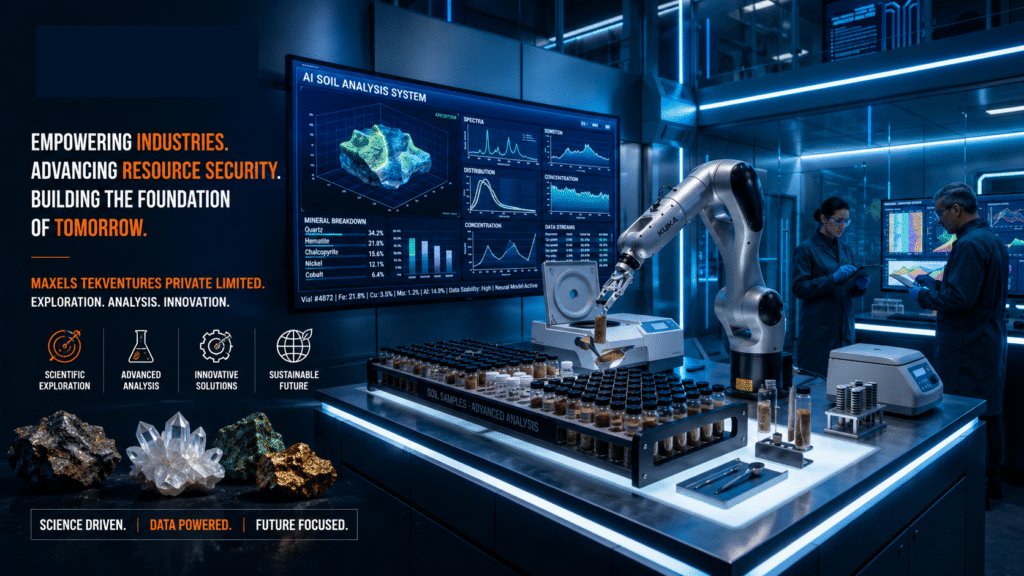

- Fundamental shifts with neo spin in modern engineering and design applications
- The Principles of Neo Spin in Material Science
- Controlling Atomic Arrangements
- Neo Spin in Advanced Engineering Systems
- Bio-Inspired Robotics and Control
- Applications in Energy Management & Sustainable Design
- Smart Grid Technologies and Energy Storage
- The Role of Computational Modeling and Simulation
- Future Perspectives: Towards Self-Organizing Systems
Fundamental shifts with neo spin in modern engineering and design applications
The realm of engineering and design is in a constant state of flux, driven by the need for innovation and efficiency. A relatively recent development gaining significant traction across multiple disciplines is the application of what is known as neo spin. This isn't simply a rebranding of existing concepts; it represents a fundamental shift in how we approach problem-solving, material science, and the creation of advanced systems. From the micro-level of nanotechnology to the macro-level of architectural design, the principles underlying neo spin are poised to redefine the boundaries of what is achievable.
Traditional methodologies often rely on linear thinking and established paradigms. However, many contemporary challenges demand a more holistic and adaptable approach. Neo spin provides a framework for navigating these complexities, emphasizing interconnectedness, dynamic equilibrium, and the harnessing of inherent system properties. This approach moves away from reductionism, aiming instead for emergent behaviors and optimized performance through careful manipulation of underlying forces. The power lies in understanding and leveraging these forces – essentially, giving systems the ability to self-organize and adapt to changing conditions. This adaptability is becoming increasingly important in a world defined by rapid technological advancement and unpredictable environmental factors.
The Principles of Neo Spin in Material Science
In material science, neo spin is manifesting as a departure from traditional alloy design and a greater focus on manipulating material structures at the atomic level to achieve specific, desired properties. This isn't just about adding elements; it's about controlling their arrangement and interaction to unlock previously unattainable strengths, flexibilities, and functionalities. Researchers are discovering how to induce spin-related phenomena within materials, influencing their magnetic, electrical, and optical characteristics. This has huge potential for applications in data storage, sensor technology, and energy harvesting. The ability to fine-tune these properties represents a significant leap forward and impacts many industries beyond just electronics.
Controlling Atomic Arrangements
The core of achieving these material properties is the precise control of atomic arrangements. Techniques like focused ion beam milling, atomic layer deposition, and advanced chemical vapor deposition are being refined to create materials with tailored microstructures. These processes allow scientists to not only define the composition of a material but also dictate the spatial distribution of its constituent atoms. This level of control enables the creation of meta-materials with properties not found in nature. The challenges lie in scaling these processes for mass production while maintaining the required precision and repeatability. Finding cost-effective manufacturing techniques will be crucial for wider adoption of these innovative materials.
| Material Property | Traditional Method | Neo Spin Approach |
|---|---|---|
| Strength | Alloy Composition | Atomic Structure Manipulation |
| Conductivity | Doping | Spin-Orbit Coupling |
| Magnetic Properties | Magnetic Fields | Intrinsic Spin Polarization |
| Optical Properties | Surface Coatings | Nanostructure Design |
The table above highlights some key differences in how material properties are achieved using traditional methods versus the neo spin approach. The shift emphasizes a fundamental understanding and manipulation of the material’s internal structure rather than simply relying on external treatments or compositional adjustments. This deeper level of control leads to more tailored and often superior performance characteristics.
Neo Spin in Advanced Engineering Systems
The impact of neo spin extends far beyond material science and is making waves in the realm of advanced engineering systems, particularly in robotics, aerospace, and control systems. The application focuses on developing systems that are highly responsive, adaptable, and capable of operating in complex and uncertain environments. This often involves incorporating principles of biomimicry, drawing inspiration from the elegant and efficient solutions found in nature. These systems are designed not just to execute pre-programmed tasks, but to learn, adapt, and optimize their performance in real-time. The emphasis is on creating systems that are inherently robust and resilient.
Bio-Inspired Robotics and Control
One compelling area of application is in the development of bio-inspired robots. By studying the locomotion, sensory systems, and decision-making processes of animals, engineers are creating robots that are far more agile, efficient, and adaptable than their traditional counterparts. For example, robots inspired by the movements of snakes or insects can navigate complex terrains with ease. Control systems based on neural network architectures and reinforcement learning algorithms allow these robots to learn from their experiences and improve their performance over time. This represents a shift from rigid, pre-programmed control to more flexible and intelligent automation. These robots could revolutionize fields like search and rescue, environmental monitoring, and even healthcare.
- Enhanced Adaptability: Systems are designed to learn and adjust to changing conditions.
- Increased Efficiency: Biomimicry optimizes resource utilization and movement.
- Improved Robustness: Self-healing and self-regulating capabilities enhance reliability.
- Real-Time Optimization: Continuous monitoring and adjustment ensures peak performance.
The use of bio-inspired designs combined with adaptive control systems forms the cornerstone of neo spin in robotics. The focus isn't simply on replicating natural designs but on understanding the underlying principles that make them so effective and then applying those principles to create novel engineering solutions. This requires a multi-disciplinary approach, bringing together expertise from biology, engineering, and computer science.
Applications in Energy Management & Sustainable Design
The principles of neo spin are also being applied to tackle some of the most pressing challenges related to energy management and sustainable design. By focusing on system-level optimization and harnessing natural forces, engineers are developing more efficient and environmentally friendly solutions. This includes innovative approaches to energy harvesting, storage, and distribution. The goal is to create closed-loop systems that minimize waste and maximize resource utilization. This often involves the integration of renewable energy sources, such as solar and wind power, with advanced energy storage technologies.
Smart Grid Technologies and Energy Storage
Smart grid technologies, powered by advanced sensors, data analytics, and control algorithms, are at the heart of this transformation. These systems can monitor energy demand in real-time, optimize energy distribution, and integrate distributed energy resources, such as rooftop solar panels and electric vehicles. Advanced energy storage technologies, such as lithium-ion batteries, flow batteries, and compressed air energy storage, are crucial for balancing the grid and ensuring a reliable supply of electricity. Neo spin also plays a role in developing more efficient and sustainable materials for these energy storage systems, improving their performance and longevity. The integration of these technologies is creating a more resilient and sustainable energy infrastructure.
- Real-time monitoring of energy demand and supply.
- Automated optimization of energy distribution.
- Integration of distributed energy resources.
- Advanced energy storage solutions for grid stability.
These steps are vital for creating a robust and sustainable energy future. The ability to predict and respond to fluctuations in energy demand and supply is crucial for preventing blackouts and ensuring a reliable power supply. Furthermore, the integration of renewable energy sources requires sophisticated control systems and energy storage solutions to overcome the intermittency of these resources.
The Role of Computational Modeling and Simulation
Underlying all these applications is the increasing reliance on computational modeling and simulation. These tools allow engineers to explore complex systems and predict their behavior without the need for costly and time-consuming physical experiments. Advanced algorithms and high-performance computing resources are used to create virtual prototypes, analyze different design options, and optimize system performance. This significantly accelerates the innovation process and reduces the risk of failure. The ability to simulate the interaction of multiple components and predict the emergent behavior of a system is crucial for realizing the full potential of neo spin.
Future Perspectives: Towards Self-Organizing Systems
Looking ahead, the future of neo spin lies in the development of truly self-organizing systems. This involves creating systems that can autonomously adapt to changing conditions, repair themselves, and even evolve over time. This requires advancements in areas such as artificial intelligence, machine learning, and materials science. Imagine a building that can automatically adjust its structure to withstand extreme weather events, or a robotic swarm that can collaboratively explore and map an unknown environment. These are just a few examples of the potential applications of self-organizing systems. The key to unlocking these possibilities lies in a deeper understanding of the fundamental principles that govern complex systems and the ability to harness those principles to create innovative solutions. This will necessitate continued collaboration between researchers across multiple disciplines and a willingness to embrace new approaches to engineering and design.
Further research into the interplay between dynamic systems, computational intelligence, and material properties will be vital. A specific, compelling area is the development of materials capable of sensing and responding to environmental stimuli in real-time – essentially, creating 'smart' materials that can actively participate in the optimization of a system’s performance. This area—self-regulating materials—is poised to become a central focus for engineers and scientists in the coming decades.